


Library
Media Library
A podcast series exploring how a diverse, complex metropolis is tackling unequal health outcomes for all residents. Each episode delves into the bold programme led by NHS North West London Integrated Care Board — designed to narrow the widening gap in healthy life expectancy between more and less deprived communities.
In this episode, Martin talks to Guddi Singh – a paediatrician who co-hosted the television series Your Body Uncovered and Babies, Their Wonderful World, and an advocate for creative health and health justice. They discuss doctor burnout, introducing dance to the paediatric ward, addressing health inequalities and the important relationship they have to the health of our population, and the impact of the Coronavirus-19 pandemic.
Listen to Professor Sir Michael Marmot and Dr Jasmine Lee discuss the impact of social determinants of health inequity, looking at research and policies over the years.
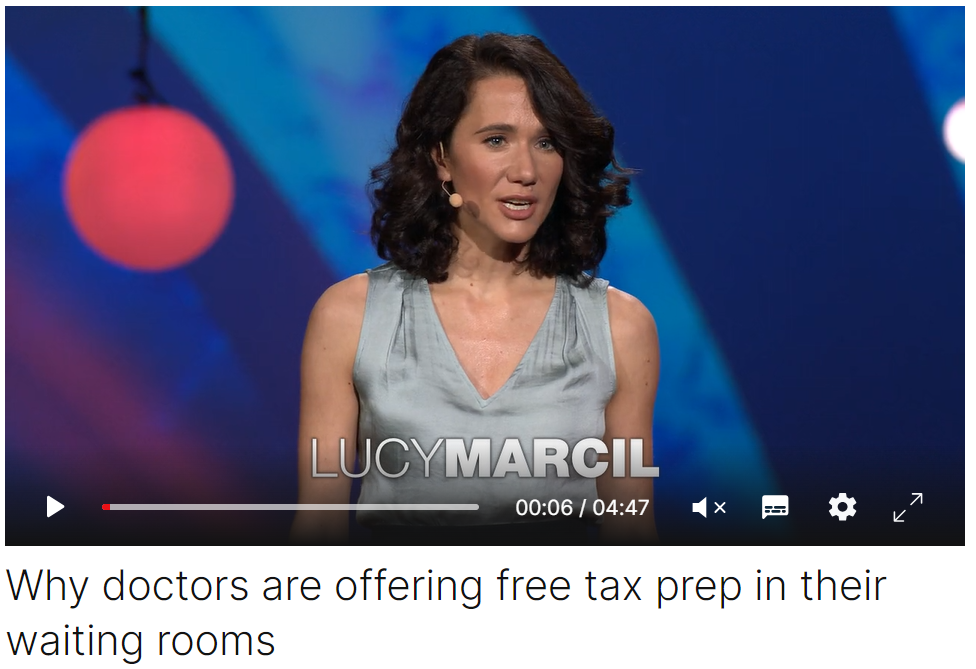
Fantastic TED talk from a paediatrician in the US showing what is possible in delivering integrated care that addresses the social determinants of health in a practical way and improves health outcomes for children.

ACEs are stressful events that occur in childhood which can have a lifelong impact on health and behaviour. Poverty is a structural issue governed mainly by political and economic factors. Although people living in poverty and in the most deprived areas are at a greater risk, ACEs do occur across the socioeconomic spectrum. Better-off families often have sufficient material resources and social, emotional or practical support to counter the negative effects of ACEs. The trauma associated with the combination of ACEs and poverty makes it more likely for children to experience deeper and more prolonged levels of poverty throughout their lives and on into future generations. Interventions to address specific childhood adversities, such as parental mental health problems, may not be meaningful if childhood socioeconomic conditions such as poverty are not considered.
“
Of all the forms of inequality, injustice in health is the most shocking and inhuman"